
"tree energy"
1000 article(s) found

What are the "what" in the coffee?
What is caffeine? Caffeine is a substance found in the leaves, roots and fruits of 100 plants in nature. it is also a mixture of methylxanthine. Caffeine usually comes from coffee, dimethoate and tea. Caffeine is also used in energy drinks and drugs to treat colds and flu. Coffee and tea also contain other dimethylxanthine theophylline. Tea

2018 Columbia exquisite outstanding cup hill manor micro-batch Kaddura boutique coffee beans
Professional coffee knowledge exchange more coffee bean information please follow the coffee workshop (Wechat official account cafe_style) this batch of coffee has been selected by Colombia's Inconexus coffee professional quality control team as one of the top micro-batch boutique coffee. The Mejor de Narino raw bean competition was held in September last year, mainly to select high-quality essence from Columbia's Nalinglong producing area.

Coffee bean producing country Africa-the place of origin of coffee
The world's first coffee tree was found in the Horn of Africa. Local indigenous tribes often grind the fruit of coffee and knead it with animal fat to make many ball-shaped balls. These indigenous tribes use these coffee balls as precious food for soldiers who are about to go out to battle. Sometimes, people don't understand how coffee credits show excitement.
What are organic coffee beans?
In many parts of the world, growers use pesticides to control the growth of coffee pests, and moist and foggy coffee at high altitudes are more vulnerable to fungi, so growers often use pesticides to treat them. Many people believe that coffee can be called organic coffee as long as synthetic pesticides, herbicides and chemical fertilizers are not used during coffee growth. in fact, it is only in third parties (except coffee makers and producers).

What is organic coffee beans Organic Coffee organic coffee
In many parts of the world, growers use pesticides to control the growth of coffee pests, and moist and foggy coffee at high altitudes are more vulnerable to fungi, so growers often use pesticides to treat them. Many people believe that coffee can be called organic coffee as long as synthetic pesticides, herbicides and chemical fertilizers are not used during coffee growth. in fact, it is only in third parties (except coffee makers and producers).
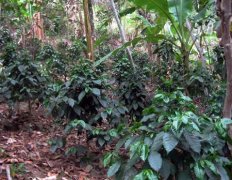
Production of coffee beans Coffee trees from planting to fruiting
Coffee trees take 3-5 years from planting to fruiting. 6-10 years of coffee trees are the most likely to bear fruit, about 15-20 years, is the harvest period. Coffee trees are usually bred in nurseries and grow into saplings, and then moved to coffee farms a year later, in full compliance with the way the Arabs planted and cultivated coffee trees. Coffee trees will continue to take root downward and upward in the first four or five years of their growth.

Citrus sour Ethiopia | Yega Xuefei YirgacheffeChelelektu
Professional coffee knowledge exchange more coffee bean information please follow the coffee workshop (Wechat official account cafe_style) citrus sour Ethiopia | Yega Xuefei production area Xueyitu YirgacheffeChelelektu coffee bean characteristics and flavor? Chelelektu will return to the warehouse in Antwerp this year! For the second year in a row, we provided a lot at Kochere, a famous laundry station.

Brief introduction of organic coffee beans three famous coffee beans
Introduction to organic coffee beans in many parts of the world, growers use pesticides to control the growth of coffee pests, and moist and foggy coffee at high elevations are more vulnerable to pests, so growers often use pesticides to treat them. Many people think that coffee can be called organic coffee beans as long as synthetic pesticides, herbicides and chemical fertilizers are not used during coffee growth. in fact, only in third parties.
History of Coffee Culture Africa is the place of origin of fine coffee
The world's first coffee tree was found in the Horn of Africa. Local indigenous tribes often grind the fruit of coffee and knead it with animal fat to make many ball-shaped balls. These indigenous tribes use these coffee balls as precious food for soldiers who are about to go out to battle. Sometimes, people don't understand how coffee credits show excitement.

Coffee flavor and taste characteristics of Panamanian jadeite manor introduction of boutique coffee beans in producing area
Copper and gold deposits are relatively large, currently ranking the sixth largest copper country, with an output value of US $430 million in the ore mining industry in 2013. There are theoretical reserves of oil and gas in the eastern rock strata, which has also become the focus of the international energy industry. For ordinary people, if they want to get out of the countryside, they can only go to the city to engage in the service industry, with a service output value of US $25.1 billion. Transportation, warehousing and tourism are major job opportunities.

Is there any prospect of being a barista? Let's take a look at the current situation of baristas in China.
Professional coffee knowledge exchange more coffee bean information please follow the coffee workshop (Wechat official account cafe_style) barista: I earn 3,000 yuan a month, it is impossible to lose you a shot! Becoming a barista is a dream that many people have had. Fantasize about wearing an apron and making coffee and flowers meticulously in the bar filled with the aroma of coffee, the figure is handsome and charming
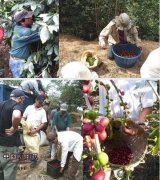
From the planting of coffee trees to the harvest of coffee beans, how to raise coffee trees
Coffee trees take 3-5 years from planting to fruiting. 6-10 years of coffee trees are the most likely to bear fruit, about 15-20 years, is the harvest period. Coffee trees are usually bred in nurseries and grow into saplings, and then moved to coffee farms a year later, in full compliance with the way the Arabs planted and cultivated coffee trees. Coffee trees will continue to take root downward and upward in the first four or five years of their growth.

Coffee basic what is decaffeinated coffee? How much caffeine is there in coffee?
Coffee beans, the seeds of tree fruit, naturally contain caffeine and have been used for centuries for their refreshing quality. So what's the difference between caffeinated coffee and decaffeinated coffee? How does our coffee compare in terms of caffeine content? How much caffeine is there in coffee? In the past, light baking was thought to retain slightly more caffeine than dark baking, but

Talk about Certification │ UTZ Certification ─ and the Sustainable Future of World Coffee
Professional baristas please pay attention to the coffee workshop (Wechat official account cafe_style) UTZ certification and the sustainable future of world coffee UTZ certification organization has a strict traceability system for every link of the supply chain, adhere to provide consumers with the most complete production resume. Compared with the current consumer demand, I am more concerned about the safety and protection of the product than the price factor.
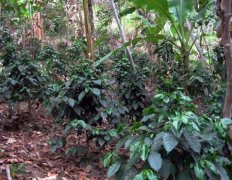
The production of coffee basic knowledge and high-quality coffee beans
Coffee trees take 3-5 years from planting to fruiting. 6-10 years of coffee trees are the most likely to bear fruit, about 15-20 years, is the harvest period. Coffee trees are usually bred in nurseries and grow into saplings, and then moved to coffee farms a year later, in full compliance with the way the Arabs planted and cultivated coffee trees. Coffee trees will continue to take root downward and upward in the first four or five years of their growth.
Coffee beans History the birth of coffee beans
The lifetime of a coffee tree takes 3-5 years from planting to fruiting. 6-10 years of coffee trees are the most likely to bear fruit, about 15-20 years, is the harvest period. Coffee trees are usually bred in nurseries and grow into saplings, and then moved to coffee farms a year later, in full compliance with the way the Arabs planted and cultivated coffee trees. Coffee trees will continue to decline in the first four or five years of growth.

Wet treatment to make coffee drink clean and rich
Boutique coffee beans must be excellent varieties, such as the original bourbon species, mocha species and Tippica species. The coffee beans produced by these trees have unique aroma and flavor, which is far from that of other tree species, but the relative yield is low. in recent years, in order to pursue the ability of disease and insect resistance and increase the yield, there have been many improved tree species, such as the massive promotion of high-yield rurial11 species in Kenya.
Boutique Coffee explains what Organic Coffee beans are
In many parts of the world, growers use pesticides to control the growth of coffee pests, and moist and foggy coffee at high altitudes are more vulnerable to fungi, so growers often use pesticides to treat them. Many people believe that coffee can be called organic coffee as long as synthetic pesticides, herbicides and chemical fertilizers are not used during coffee growth. in fact, it is only in third parties (except coffee makers and producers).
Fine coffee learn what organic coffee beans are.
In many parts of the world, growers use pesticides to control the growth of coffee pests, and moist and foggy coffee at high altitudes are more vulnerable to fungi, so growers often use pesticides to treat them. Many people believe that coffee can be called organic coffee as long as synthetic pesticides, herbicides and chemical fertilizers are not used during coffee growth. in fact, it is only in third parties (except coffee makers and producers).

The history of coffee beans, the essence of coffee beans, events related to coffee beans.
The world's first coffee tree was found in the Horn of Africa. Local indigenous tribes often grind the fruit of coffee and knead it with animal fat to make many ball-shaped balls. These indigenous tribes use these coffee balls as precious food for soldiers who are about to go out to battle. Sometimes, people don't understand how coffee credits show excitement.